
TSEMUMCGFSSTMNVDABABACDNSSNPSTSMAVGO
TSEM: SiPho Capacity Inflection Drives Multi-Fold Growth Cycle
FUNDA
NVIDIA deal + 5x SiPho capacity by 2026 (70% booked to 2028) set up TSEM for a multi-year growth cycle.
Industry Context: The Optical Interconnect Revolution
AI data center compute clusters are currently scaling from thousands of GPUs to tens or even hundreds of thousands of nodes. At this magnitude, traditional copper interconnects are reaching severe physical limits; once transmission rates hit 800G and above, transmission reach shortens dramatically while power consumption escalates exponentially. To bypass these constraints, Silicon Photonics (SiPho) is becoming the essential backbone for AI Networking.
As of 4Q25, Tower Semiconductor’s Silicon Photonics business has emerged as the company’s primary growth engine. Revenue doubled from $106mn in 2024 to $228mn in 2025, achieving an annualized revenue run rate exceeding $360mn by the end of 2025. As the industry transitions from 400G/800G toward 1.6T, Tower has positioned itself as the lead supplier of 1.6T Silicon Photonics wafers. We believe Tower is currently the premier SiPho PIC (Photonic Integrated Circuit) foundry with a distinct competitive lead. Among major competitors, Malaysia’s Silterra lacks significant expansion capacity, while SiPho offerings from UMC, GlobalFoundries (via the AMF acquisition), and STM still trail Tower by a wide margin.
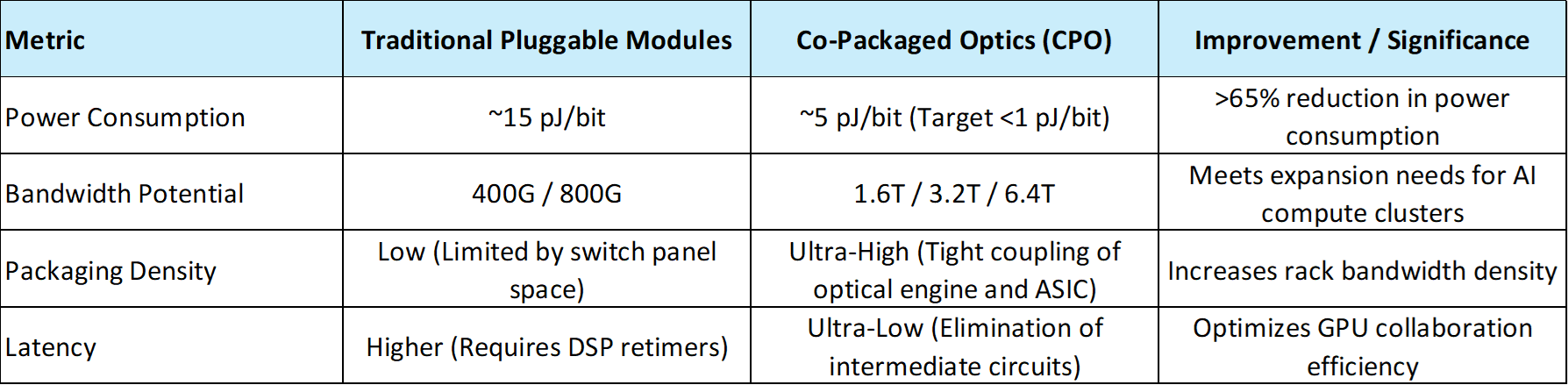
The following table compares interconnect technology parameters:
Continue reading with FUNDA
This report is available to subscribers. Sign in or subscribe to read the full analysis.