
LITEGOOGL
LITE: Google’s Newly Introduced In-rack Switch Tray is Actually a Positive for OCS and Optics
FUNDA
Google's in-rack tray boosts DCN scale-out, lifting OCS use and optics demand; LITE a key beneficiary 2025–27.
Recently, there has been extensive discussion about Google introducing a new in-rack switch tray within future TPU racks. The prevailing view is that this new switch tray, when bundled with TPU racks sold to external customers, replaces the 3D torus network with a CLOS network, and therefore could be negative for OCS.
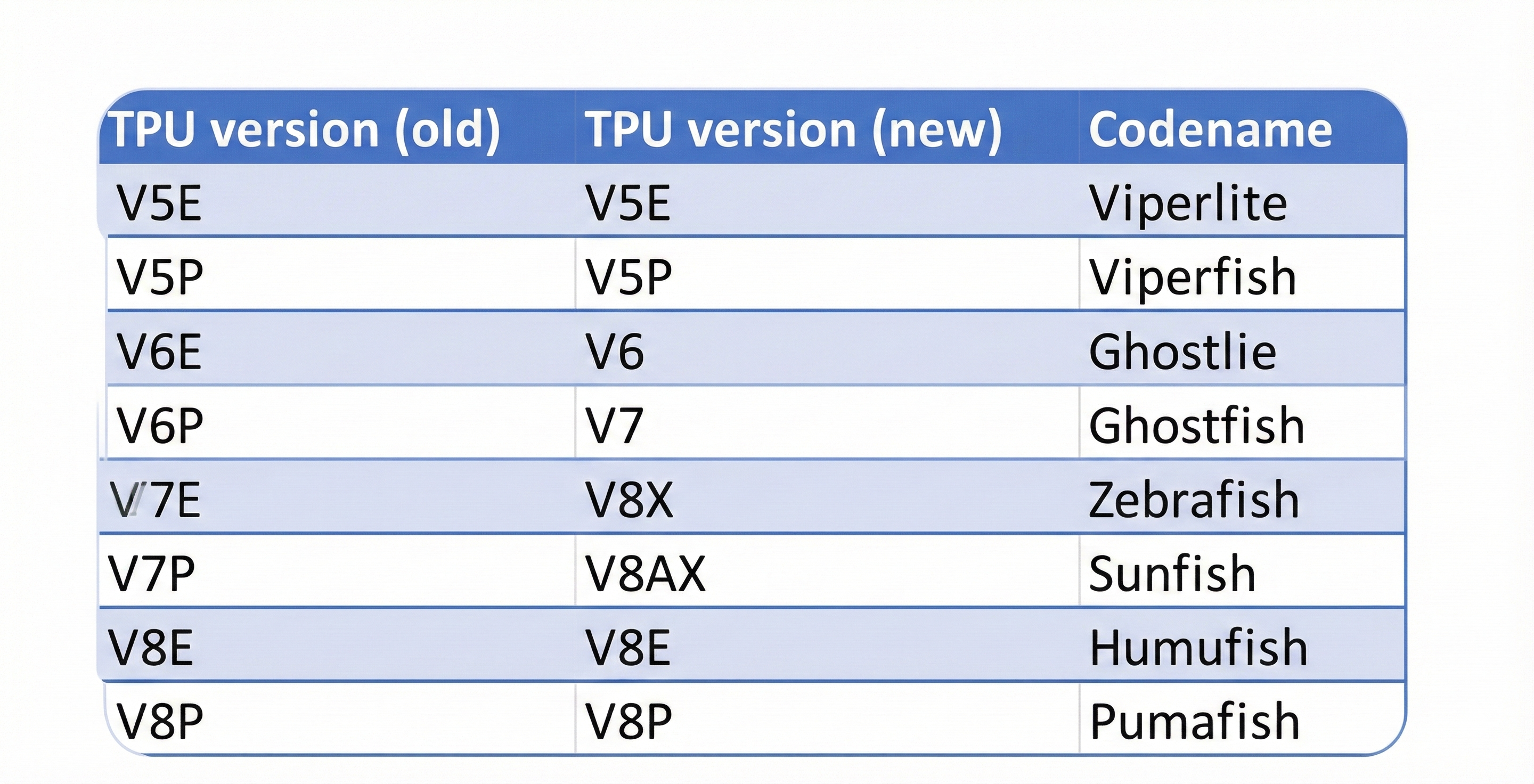
(Thanks to ayz for clarifying the long-standing confusion around TPU naming.)
We identified this change at a very early stage and conducted our own supply-chain checks. We found that most analyses significantly misunderstand Google’s network topology, which is why we wrote this note to clarify the situation. This confusion has existed for a long time, largely because Google’s network architecture is genuinely unique.
Historically, Google has operated two distinct network architectures in conjunction with TPU
-
3D torus scale-up network (note: scale-up, not scale-out), with two configurations
-
A high-speed ICI interconnect, based on OCS-enabled superpods, with each superpod containing roughly 8,000–9,000 TPU chips. We have previously written in detail about this network and will not repeat it here. In this scale-up network, the ratio of TPU to BiDi optical modules is approximately 1:1.5.
-
A small-pod scale-up configuration using copper, with each pod containing 256 TPU cards.
-
-
DCN network, which is essentially Google’s Jupiter network
Continue reading with FUNDA
This report is available to subscribers. Sign in or subscribe to read the full analysis.