
ESTCGOOGLAMZNMSFTDT
A discussion about RAG, Vector Database , and Their Monetization Potential, as well as an Analysis of Elastic as a Company-Part-2
FUNDA
Introducing recent changes in Elastic NV, particularly the new opportunities in vector databases and artificial intelligence
1. Key Technologies of Elastic NV
Elastic's core technology stack is commonly referred to as E-L-K, where E stands for Elasticsearch, L for Logstash, and K for Kibana. The three fundamental components support different upper layer functionalities.
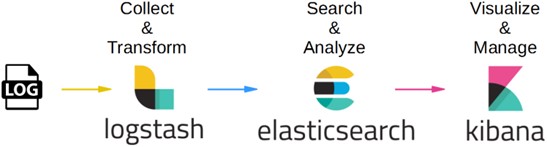
1.1 Logstash: is an important core component of the ELK which is mainly used for the user to collect data from a variety of sources, transform it and then send the result to the desired location. It can be used when complex pipelines are handling multiple data formats.
1.2 Elasticsearch is a full-text search and analytics engine based on Apache Lucene. Elastic makes it easier to perform data aggregation and integration operations on data from multiple sources and to perform unstructured queries such as Fuzzy Searches on the stored data. It stores data in a document-like format, similar to how MongoDB does it. Data is serialized in JSON format. This adds a Non-relational nature to it and thus, it can also be used as a NoSQL/Non-relational database
1.3 Kibana is an open-source visualization. It is used for time-series analysis, log analysis, and application monitoring. It offers a presentation tool, known as Canvas. With this tool, you can create slide decks or dashboards that extract live data directly from Elasticsearch. It lets the users visualize their Elasticsearch data and navigate the Elastic Stack. Live data can be seen through the help of Charts, tables, maps, and other tools in Kibana.
Continue reading with FUNDA
This report is available to subscribers. Sign in or subscribe to read the full analysis.